Reinvent Your Product with Confidence
Transform existing systems, monoliths, and outdated architectures into cloud-native, API-first, AI-ready products without disrupting business continuity.
We Don’t Just
Upgrade Systems.
We Modernize
End-to-End.
We center every product modernization decision around ROI. To ensure each initiative delivers measurable value, we first identify the primary growth driver— productivity, business agility, or tech relevance—and align the modernization path with that goal for measurable outcomes.
If the priority is productivity, we modernize outdated stacks and streamline delivery. If agility is the goal, we evolve the architecture from monoliths to microservices or enable multi-tenant SaaS. If tech relevance is the focus, we build cloud-native, API-first, AI-ready foundations that keep the product competitive.
By combining this with AI-powered automation for refactoring, testing, and risk detection, we shorten delivery cycles, reduce defects, and make modernization predictable & cost-efficient—whether incremental or full-scale.
WHAT WE OFFER
Modernization that drives ROI

Application & Architecture Modernization
We modernize core application architectures by upgrading technology stacks, modularizing monoliths, & enabling scalable system design—delivered incrementally or via full re-architecture without disrupting ongoing operations.
Read More- Faster Engineering Cycles
- Independent Scaling
- Reduced Technical Debt
- Improved System Resilience
Cloud & SaaS Modernization
We modernize platforms for cloud-native and SaaS delivery by re-platforming workloads, enabling multi-tenant architectures, & supporting single-cloud to multi-cloud migrations with cost & reliability in mind.
- Elastic Scalability
- Improved Availability
- Lower Infrastructure Costs
- SaaS-Ready Platforms
Product Experience Modernization
We incrementally modernize product experiences by refactoring frontends, improving performance, and redesigning key workflows—enhancing usability while maintaining business continuity.
- Faster Feature Delivery
- Higher User Adoption
- Improved Conversion & Retention
- Modern UX Consistency
Data Platform Modernization
We modernize data platforms by unifying fragmented data systems and building cloud-native, scalable data foundations that support analytics, real-time use cases, and AI readiness.

- Faster Insights
- Reduced Data Latency
- Operational Simplicity
- AI-Ready Data Foundations
AI-Native Transformation
We modernize product intelligence by embedding AI across workflows—from automation & recommendations to decisioning & personalization—moving products from NoAI to AI-native execution.

- Automation at Scale
- Smarter Product Capabilities
- Reduced Operational Effort
- Future-Ready Intelligence
DevOps & DevSecOps Modernization
We modernize delivery pipelines through automated CI/CD, infrastructure-as-code, observability, and integrated security—reducing release risk while improving speed and reliability.
- Shorter Release Cycles
- Lower Deployment Risk
- Improved Reliability
- Built-In Security & Compliance
Customers who grew with us
OUR WORK IN ACTION
Modernize the product to improve scalability & reliability
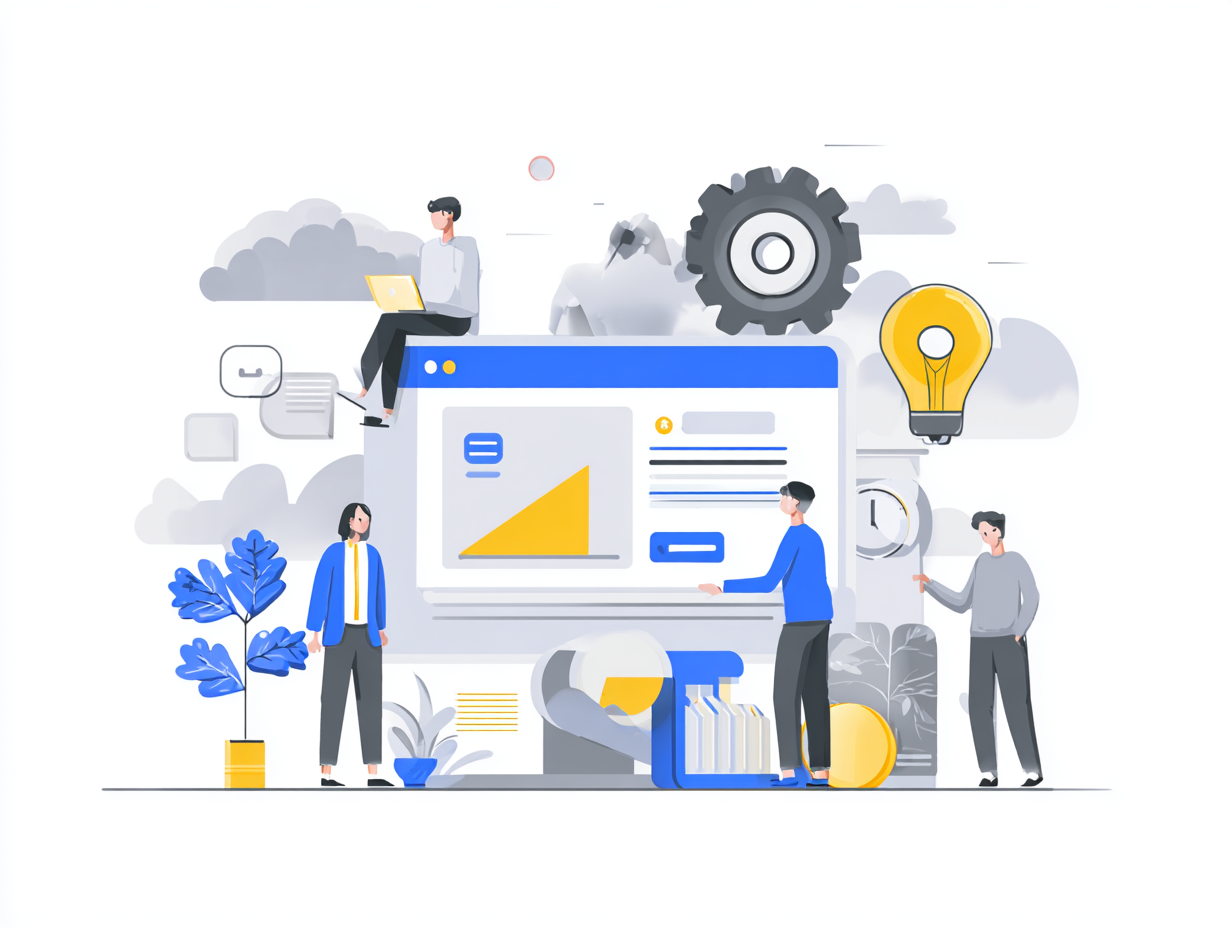
2x Faster Feature Development for Legacy Marketing Software
We modernized a channel marketing automation platform by transforming its monolith into a microservices architecture — improving feature cycle time and boosting user engagement.
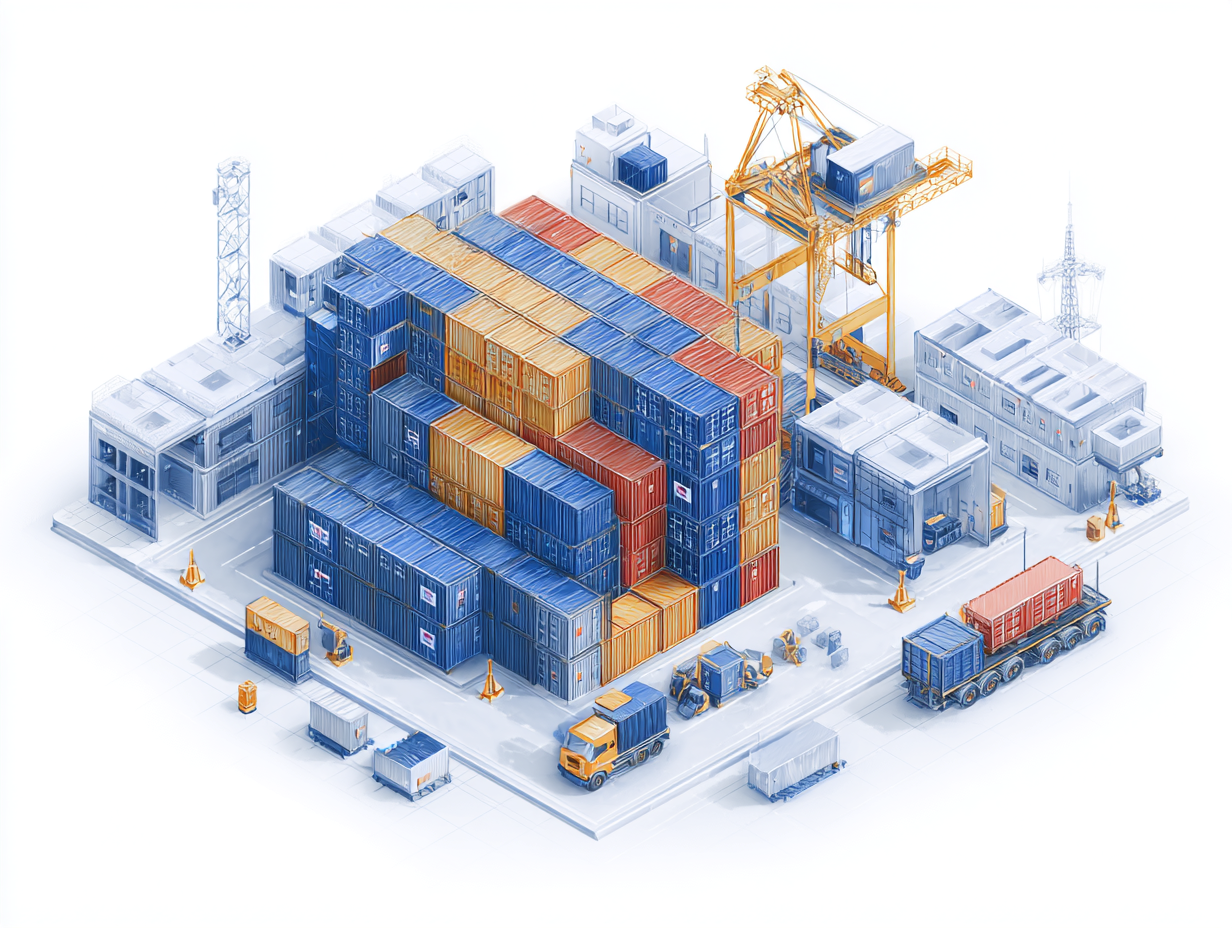
2x Faster Feature Development for Legacy Marketing Software
Background
The channel marketing automation company collaborates with enterprises, accelerating channel-driven demand generation, strengthening partner engagement, and growing channel revenue.
It wanted to modernize its platform by moving from monolith to microservices architecture to improve the feature cycle time and increase user engagement.
Challenges
The implementation involved the challenges below-
- Understanding existing legacy systems by analyzing codebase and architecture to learn about dependencies and potential areas for improvement
- Co-existence of legacy and new systems for live users
- Prioritizing the right features by developing a strategic roadmap guiding modernization efforts
Solution
- Strangler fig design pattern
- Replaced functionalities of the legacy system with new microservices or modules.
- Ensured seamless co-existence and gradual transition from the legacy system to the new architecture.
- Anti-Corruption layer
- Implemented an anti-corruption layer to shield microservices from being influenced or corrupted by legacy system dependencies.
- Defined clear interfaces and protocols to prevent contamination of new services by legacy code or data structures.
- Micro frontend
- Integrated a React application as an iframe within the existing .NET application.
- Enabled independent development and deployment of frontend modules while maintaining a cohesive user experience.
- Microservice architecture with EKS (Elastic Kubernetes Service)
- Adopted a microservice architecture pattern leveraging EKS for container orchestration and management.
- Enabled scalability, fault tolerance, and efficient resource allocation through Kubernetes-based infrastructure.
- HTTPS and Queue (SQS and SNS) for Communication between Legacy and New System
- Implemented HTTPS for secure communication between the legacy and new systems, ensuring data integrity and confidentiality.
- Utilized Amazon Simple Queue Service (SQS) and Simple Notification Service (SNS) for reliable and asynchronous messaging between components of both systems.
Results
- Improved development speed and go-to-market strategy
- Simplified features with better user experience.
- Accelerated customer acquisition.
- Enabled direct integration to platform – New Business Offering.
Concurrent Processing of 10K Rows for a Supply Chain Platform
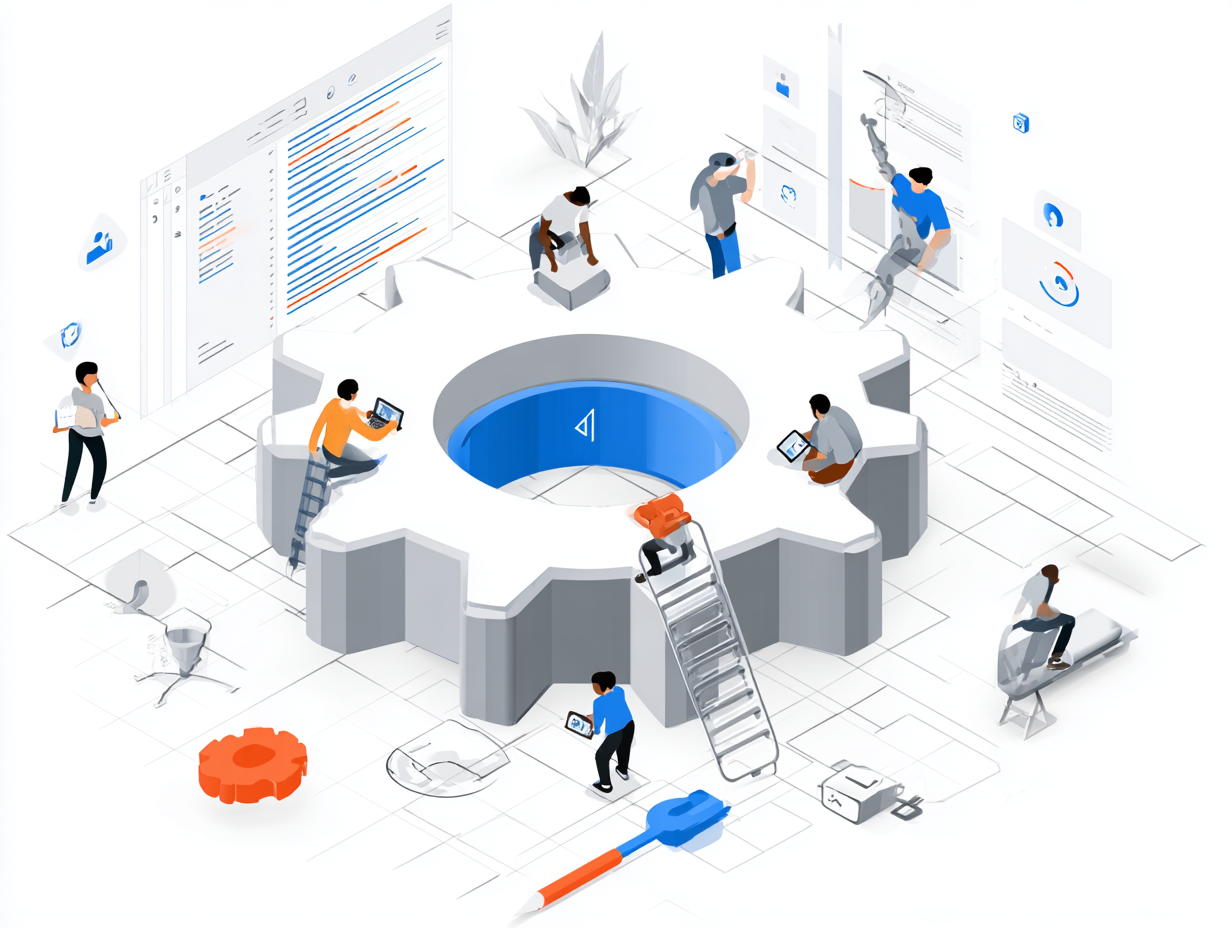
We modernized a global supply chain platform serving 10K buyers and 200K suppliers, improving concurrency and scalability to support business expansion across 20 countries.
Concurrent Processing of 10K Rows for a Supply Chain Platform
Background
We worked with a supply chain management software platform that has operations in 20 countries with 10K buyers and 200K suppliers on the platform. Its existing solution was not suitable to handle scalability. With business expanding, the company decided to modernize the system to improve concurrency control.
Challenges
- The existing solution was using an online excel to manage Bill of Material (BOM) from buyers and responses from sellers. But it could handle only 500 rows and 20 columns concurrently.
- The company had to process larger BOMs manually. It used to take 5-6 months to reward single BOMs, and they wanted to reduce it to 5-6 weeks.
- They wanted to modernize their system to handle 10K rows and 600 columns concurrently for 100 users.
Solution
- We built a frontend like excel with responsive backend APIs, which could handle a concurrency of 3K requests/second. It allowed 100 users with different roles to make changes/format the sheet simultaneously.
- To support 10K rows and 600 columns for every BOM, we migrated existing SQL to scalable NoSQL (MongoDB) and migrated .NET monolith to node.js based microservices.
- Forwarding, we created an online excel supporting over 10 million search, filtering and sorting options using our own database on Lucene search.
Results
Scaled a platform to handle more than 10K rows and 600+ columns for 100+ concurrent users.
2x Faster Feature Delivery for Legacy Recruitment Software
We re-architected a 17-year-old recruitment automation platform, moving from an on-premise legacy system to a modern architecture — enabling faster feature releases.
2x Faster Feature Delivery for Legacy Recruitment Software
Background
We teamed up with a recruitment automation platform that helps recruiters organize recruitment for fast growing lean organizations. The initial product was built 17 years ago. Since then, the client added many functionalities.
The existing on-premise version faced revenue growth challenges as many organizations opted for the pay-as-you-go model. Adding new functionality to the legacy product also consumed a lot of time and it inspired the client to think about re-architecture.
Challenges
- Architectural limitations
- Our client was spending too much time adding new features as the process was impacting existing ones. Fixing these issues was time-consuming and affected developer morale.
- It was built using monolith architecture and old technologies and was not supporting multiple databases. It had a lot of boilerplate code for security and session expiry, and comprehensive test cases were not written.
- Poor user experience
- User interactions were not intuitive. Training recruiters used to take a lot of time.
- It was not supporting custom reporting and analytics.
- Difficult to upgrade product versions
- Upgrading to the latest version was difficult as multiple versions of the product were created to implement customer-specific features.
Solution
- Migrated to a single-page application
- The tech stack was migrated from Java 7, JSP Servlets, and SOAP services to a single-page application using Java 8 + Spring Boot.
- Vue.js and AngularJS were used for the frontend along with a Solr-based search engine and Redis cache.
- Migrated from monolith to a modular monolith
- Separate modules were implemented for admin, recruitment, chatbot, authentication, and integrations with Microsoft Teams, Google Meet, and HackerRank.
- Implemented multi-tenancy
- Enabled to lower the cost of adoption and open new revenue streams from small and medium-sized companies.
Results
Re-architecture
- Increased market share by penetrating small and medium-sized companies.
- Accelerated feature development by 2x.
Revolutionizing AdTech with Real-Time Analytics and Predictive AI
We modernized a media ad platform with real-time analytics and predictive AI—boosting rating accuracy by 50%.
Revolutionizing AdTech with Real-Time Analytics and Predictive AI
Background
A cloud-based media and entertainment software provider managing TV advertising inventory, radio trafficking, finance, revenue management, scheduling, rating analysis, and business intelligence needed to modernize and expand their advertising business platform.
Challenges
The customer faced several key challenges:
- Legacy Systems: An outdated analytics system required replacement to enable real-time insights.
- Platform Expansion: A need to build a robust initial buyer platform from the ground up to replace legacy processes for both buyers and sellers.
- Third-Party Dependence: Reliance on external rating agencies for viewership data, which the client aimed to replace with an in-house, superior solution.
Solutions
We assisted the customer in developing their initial buyer platform and executed a comprehensive modernization strategy, including re-engineering the analytics system with real-time data pipelines and implementing AI/ML solutions.
- Marketplace Development: Developed a grounds-up TV advertisement marketplace platform for buyers and sellers, replacing legacy systems.
- Data Engineering: Built data pipelines to process ~30 million records from various channels, developed ETLs to organize raw records, and integrated Tableau for BI visualizations.
- Predictive Analytics (AI/ML): Developed a deep learning and time-series based ensemble model to predict ratings for different demographics and channels, resulting in a new, patented rating engine.
- Feature Development: Built features for buyers to gather budget/ad preferences, developed a billing application based on aired spots, and created business reports for campaign performance analysis.
- QA Automation: Built test automation for the application used by Radio Jockeys.
Results
- Rating engine accuracy: 50% better than third-party solutions in 70% of cases.
- The platform processes approximately 30 million records, enabling immediate business intelligence.
- The platform is widely adopted across the US video advertising ecosystem.
- The AI-driven solution empowers the client to offer superior predictive analytics, strengthening their market position and enabling them to recommend their solution over competitors.
Reimagining a Data Management & Observability Platform
We modernized a decade-old data management platform by redesigning its architecture, upgrading the UI, and enhancing backend performance across Private, Public, and Hybrid Cloud.
Reimagining a Data Management & Observability Platform
Background
A data management, machine learning, and analytics company sought to transform its existing WXM product into a modern, high-performance “Observability” platform.
Challenges
The existing platform was a decade old with intricate architecture, suffering from usability and significant performance issues when handling high volumes of data across multiple clusters. The client required a complete re-engineering of the tech stack and user interface to ensure future readiness and enhanced user experience.
Solutions
- Implemented Environment Hierarchy redesign to address usability and performance issues.
- Developed cost center module for financial governance, to view cluster incurs the cost with cloud resources
- Developed feature to download the chargeback report
- Improved product backend for Private Cloud, Public Cloud & Hybrid Cloud.
- Solved high volume data performance issues across multiple clusters.
- Developed a feature to capture hive metastore information for end users to get more insights about hive engine.
Developed a solution for the complex challenge of displaying driver logs when Spark jobs run in various modes.
Results
- Successfully re-engineered a decade-old platform into a modern Observability product.
- Platform went live for 250 customers within a year.
Our Partners
Customer Speak
"What I like most about Talentica is their ability to solve tough, cutting-edge problems with skilled engineers who are proactive and committed. They've consistently delivered high-quality products on tight timelines, making them a reliable partner for building innovative solutions from the ground up."
"For an early-stage startup like ours, Talentica understood what we thought about user needs and the problems we were trying to solve. They imbibed our vision and helped us design and build a product that will sell and get to the market successfully. They brought expertise in emerging technologies like artificial intelligence and blockchain to enable innovation for us."
"With Talentica, you get your engineering solution in one place. You can depend on them as you would depend on a family member. It allows you to be confident that all your engineering team needs will be met and grow in one space as opposed to trying to find them (solutions) with individual services or individual skill sets of people from the outside."
DIG DEEPER
Insights from our Product Modernization Journey
Frequently Asked Questions
Lorem Ipsum is simply dummy text of the printing and typesetting industry. Lorem Ipsum has been the industry’s standard dummy text ever since the 1500s, when an unknown printer took a galley of type and scrambled it to make a type specimen book. It has survived not only five centuries, but also the leap into electronic typesetting, remaining essentially unchanged.